
Transylvania's Saxon villages are the reason to slow down in the region: each pairs a fortified church with a village center that earns its place on a route. This list covers nine of them, with what to see at each and why it is worth the detour.
Key takeaways
- Transylvania holds some of Romania’s most distinctive Saxon villages.
- Their draw is the fortified churches and the preserved village centers.
- Many of the villages keep well-preserved fortified churches.
- They suit travellers slowing down to build a Transylvania route.
1. Biertan – A UNESCO World Heritage Site
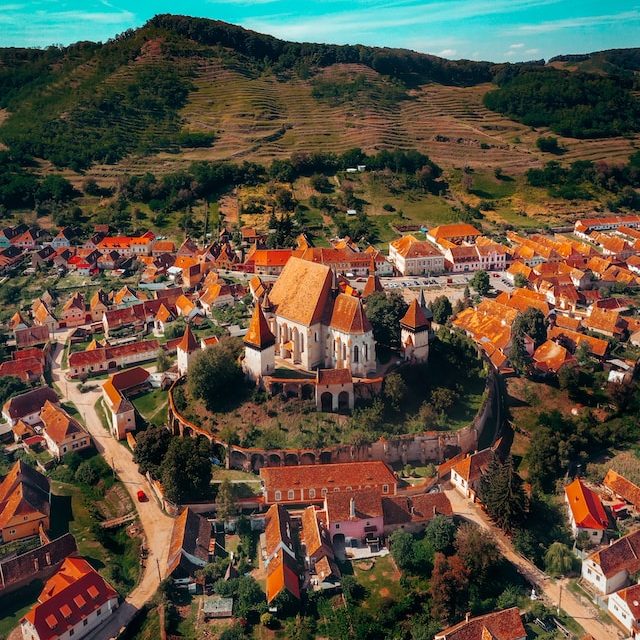
Biertan is a Saxon village built around an impressive fortified church — a UNESCO World Heritage Site dating to the 15th century and one of the strongest examples in Transylvania.
The fortified walls and towers were built against invaders, and you can walk the church and its surroundings now. Inside, the frescoes are preserved, and the carvings and decoration hold up close.
Biertan is a picturesque village of narrow streets and well-kept traditional houses — a clear example of the Saxon architecture that runs through Transylvania.
The village museum holds a collection of older artifacts, and a walk around Biertan opens onto the surrounding countryside.
A few hours covers Biertan. Architecture, history, or a picturesque stop on a wider route — it fits all three.
Plan the practical bits
Plan your Biertan visit
Some links below are affiliate links. If you book through one, Travel Romania may earn a commission at no extra cost to you.
2. Viscri – fortified church and a Prince of Wales house
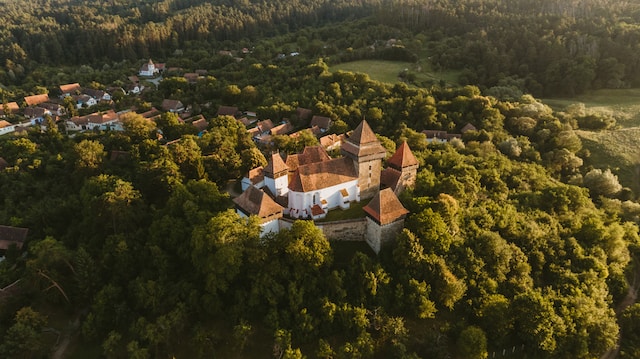
Viscri is a small Saxon village in the heart of Transylvania, known for its well-preserved traditional houses and a fortified church dating to the 13th century.
The fortified church is a UNESCO World Heritage Site. Its walls and towers were built as a defensive structure, and the interior is the part to slow down for.
Viscri is also known for Prince Charles, the Prince of Wales, who owns a house in the village and has backed its preservation and restoration. That support has helped keep the village’s character and traditions in place.
| Attraction | Description |
|---|---|
| Fortified Church | A UNESCO World Heritage Site with impressive walls and towers that once served as a defensive structure against invaders. Today, visitors can explore the church and admire its beautiful interior. |
| Prince Charles House | The Prince of Wales owns a house in the village and has been actively involved in its preservation and restoration efforts. |
Viscri keeps its Saxon character and traditions. A walk along the cobbled streets past the traditional houses is the quietest way to take it in.
Plan the practical bits
Plan your Viscri visit
Some links below are affiliate links. If you book through one, Travel Romania may earn a commission at no extra cost to you.
3. Sighisoara – a medieval citadel and Vlad’s birthplace
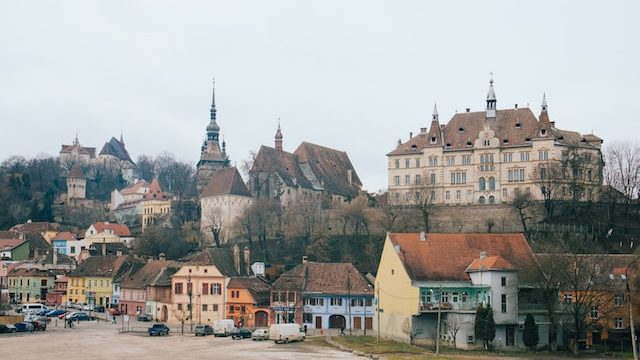
Sighisoara is a medieval Saxon town in the heart of Transylvania and a UNESCO World Heritage Site, known for its Gothic architecture and preserved medieval center.
The historic center is dominated by a massive fortress with panoramic views over the area. The fortress was a defensive structure, and its walls and towers are still walkable.
Sighisoara is also the birthplace of Vlad the Impaler, the figure behind Bram Stoker’s Dracula. The streets and the Gothic architecture carry that connection, though the Stoker link is literary rather than historical.
With its medieval center and intact fortifications, Sighisoara earns a stop on any Transylvania route.
Plan the practical bits
Plan your Sighisoara visit
Some links below are affiliate links. If you book through one, Travel Romania may earn a commission at no extra cost to you.
4. Sibiu – the cultural capital of the region
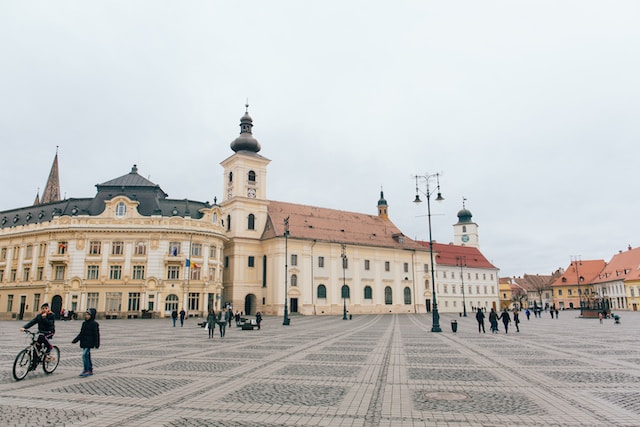
Sibiu is a city in the heart of Transylvania and the region’s cultural capital. It is not a village, but it holds a significant Saxon community and some of the finest Gothic architecture in the area. The historic center is dominated by a massive fortress with defensive walls and towers and views over the city.
The Brukenthal National Museum is the main attraction, with a collection of art from across Europe. It sits in an 18th-century palace with gardens and fine architecture.
Sibiu also runs annual events — the International Theatre Festival and the Artmania Festival — that fill the city with live music, theatre, and art installations through the year.
Walk the squares and narrow streets of Sibiu’s Old Town for traditional cafes and shops selling handmade crafts. The atmosphere and the cultural weight are why Sibiu stays on a Transylvania route.
Plan the practical bits
Plan your Sibiu visit
Some links below are affiliate links. If you book through one, Travel Romania may earn a commission at no extra cost to you.
5. Brasov – a base for the surrounding castles
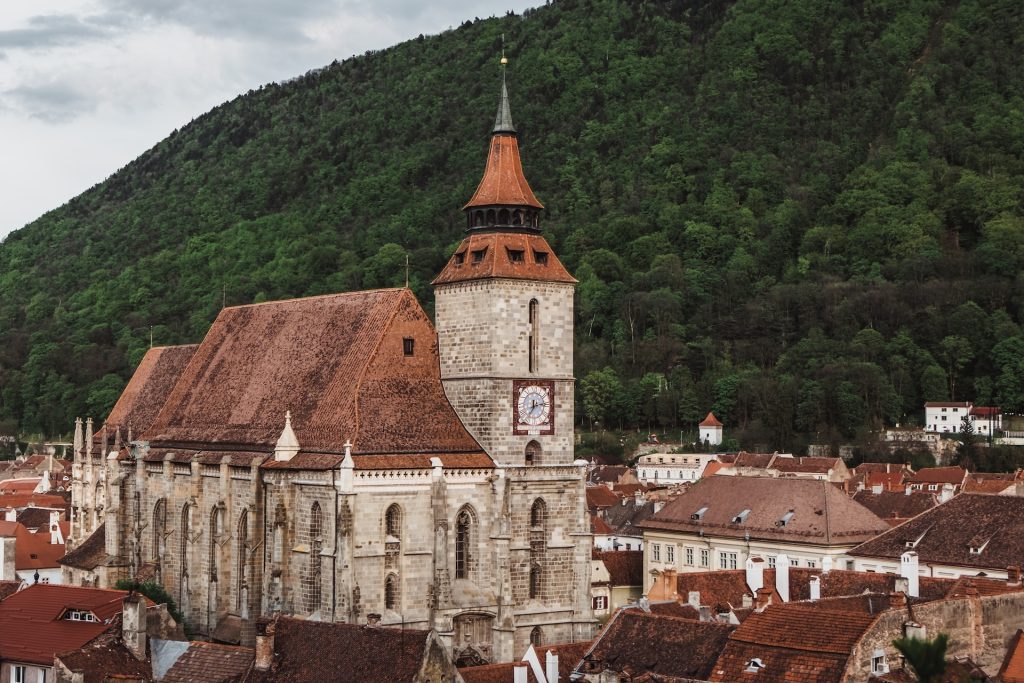
At the foot of the Carpathian Mountains, Brasov is a city and a practical gateway to Transylvania. It is not a village, but it has a well-preserved historical center with Gothic architecture, including the Black Church, the largest Gothic church in Romania.
Walk the Council Square, the medieval walls, and the cobblestone streets of Brasov, with their cafes, restaurants, and shops. A climb up Mount Tampa gives panoramic views over the city and surroundings.
Brasov also works as a base for the surrounding area, including Bran Castle, often tied to the Dracula legend. The castle’s structure and setting make it a standard day trip from the city.
6. Saschiz – a quieter fortified church stop
Saschiz is a small medieval Saxon village in Transylvania with a well-preserved fortified church dating to the 15th century and listed as a UNESCO World Heritage Site. The church’s tower gives panoramic views over the countryside.
Saschiz shows up in the written record in 1305 and played a part in the region’s development. The village keeps traditional Saxon architecture — houses, narrow cobbled streets — and medieval fortress walls built against invaders.
For a quieter stop than Biertan or Viscri, Saschiz holds the same fortified-church draw with fewer crowds. The history and the medieval architecture are the reason to go.
Plan the practical bits
Plan your Saschiz visit
Some links below are affiliate links. If you book through one, Travel Romania may earn a commission at no extra cost to you.
7. Prejmer – one of the best-preserved fortified churches
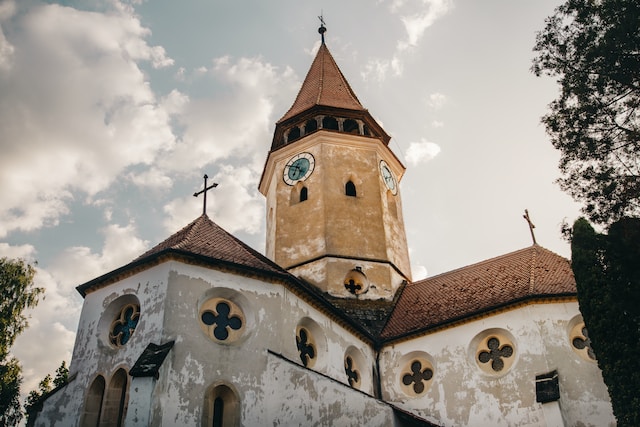
Prejmer is a Transylvanian Saxon village with one of the best-preserved fortified churches in the region. The church dates to the 13th century and sits inside massive defensive walls and towers.
Inside, medieval frescoes have held up over time. The church is a clear example of Saxon architecture and of the region’s history.
The fortified church is a UNESCO World Heritage Site and a draw for travellers reading into Transylvanian history. The fortifications around it are an engineering feat built as protection against invaders.
Prejmer reads as a village built around its fortified church. A walk through the streets is the easiest way to take the atmosphere in.
Plan the practical bits
Plan your Prejmer visit
Some links below are affiliate links. If you book through one, Travel Romania may earn a commission at no extra cost to you.
8. Valea Viilor – a small fortified church village
Valea Viilor is a small Saxon village in the heart of Transylvania and a UNESCO World Heritage Site. Its well-preserved fortified church dates to the 14th century, with thick walls and defensive towers that reflect the region’s turbulent past.
Inside, the wooden furnishings and medieval frescoes carry the church back to its own period. The intricately carved altar is the piece to look for.
The narrow streets of Valea Viilor run past traditional Saxon houses, and the village’s quiet is what most travellers notice first.
For architecture or history travellers, Valea Viilor is a short, quiet stop on a fortified-church route through Transylvania.
Plan the practical bits
Plan your Valea Viilor visit
Some links below are affiliate links. If you book through one, Travel Romania may earn a commission at no extra cost to you.
9. Alba Iulia – a citadel and a unity symbol
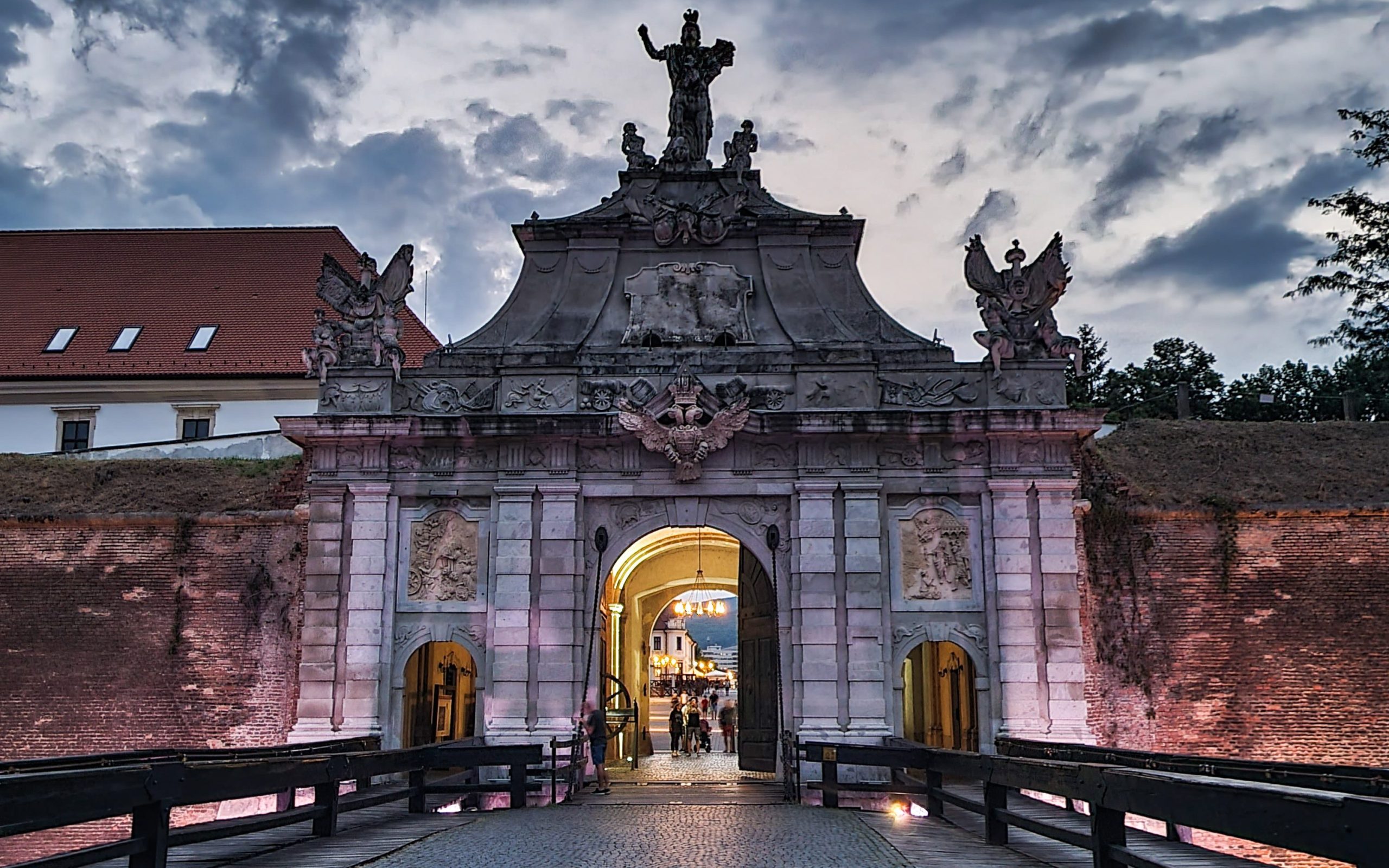
Alba Iulia is a city in Transylvania built around an impressive fortress. The historical landmark dates to the 12th century, is a symbol of Romanian unity, and is a UNESCO World Heritage Site.
The fortress sits inside massive walls and towers — a defensive structure on a large scale. The fortifications are well-preserved and walkable, and they carry the region’s history.
The Orthodox Reunification Cathedral is the highlight inside the fortress. Its architecture and interior design reflect the region’s religious and cultural heritage.
Alba Iulia is worth a stop for travellers following Transylvania’s history. The citadel is the reason to come.
Plan the practical bits
Plan your Alba Iulia visit
Some links below are affiliate links. If you book through one, Travel Romania may earn a commission at no extra cost to you.
Before you go
The villages on this list hold the fortified churches and cobbled streets that define a Transylvania route. The nine are Biertan, Viscri, Sighisoara, Sibiu, Brasov, Saschiz, Prejmer, Valea Viilor, and Alba Iulia.
The nine villages at a glance
Each village does something different. Biertan is a UNESCO site; Viscri is known for royal visitors and preserved architecture; Sighisoara is a medieval town; Sibiu is the cultural capital; and Brasov is a gateway with Gothic architecture.
The quieter stops
Saschiz, Prejmer, Valea Viilor, and Alba Iulia are the quieter stops. Saschiz has a UNESCO site; Prejmer has one of the best-preserved fortified churches in the region; Valea Viilor is a preserved village that feels frozen in time; and Alba Iulia carries significant historical weight in Transylvania.
Taken together, the Saxon villages are the slow route through Transylvania — pick two or three rather than all nine.
FAQ
Q: What are the best Saxon villages to visit in Transylvania, Romania?
A: The top 9 beautiful Saxon villages in Transylvania are Biertan, Viscri, Sighisoara, Sibiu, Brasov, Saschiz, Prejmer, Valea Viilor, Alba Iulia. These villages are known for their stunning beauty, rich history, and well-preserved architecture.
Q: What makes these Saxon villages unique?
A: These Saxon villages are unique because they feature well-preserved fortified churches, picturesque landscapes, and charming architecture. They offer a glimpse into the region’s rich history and cultural heritage.
Q: Are these Saxon villages UNESCO World Heritage Sites?
A: Yes, some of these Saxon villages are UNESCO World Heritage Sites. For example, Biertan, Viscri, Sighisoara, Prejmer, and Valea Viilor have been recognized for their outstanding universal value and preservation efforts.
Q: Are there any famous landmarks or attractions in these Saxon villages?
A: Yes, each Saxon village has its own famous landmarks and attractions. For example, Sighisoara is known for its medieval fortress and being the birthplace of Vlad the Impaler. Brasov is home to the iconic Black Church, and Alba Iulia is famous for its historical fortress.
Q: Can visitors explore the fortified churches?
A: Yes, visitors can explore the fortified churches in these Saxon villages. Many of them offer guided tours and have informative displays that provide insights into the history and architecture of the churches.
Q: Are there accommodations available in these Saxon villages?
A: Yes, most of these Saxon villages have accommodations available for visitors. From cozy guesthouses to traditional inns, you can find a variety of options to suit your preferences.
Q: How can I get to these Saxon villages in Transylvania?
A: Transylvania has a well-connected transportation network, and you can reach these Saxon villages by bus, train, or car. Some villages may be more accessible than others, so it’s worth checking the transportation options specific to your chosen destination.
Q: Are there any cultural events or festivals held in these Saxon villages?
A: Yes, these Saxon villages often host cultural events and festivals throughout the year. From traditional music and dance performances to craft markets and food festivals, you can immerse yourself in the local culture during your visit.
Q: Can I take photographs in these Saxon villages?
A: Yes, photography is generally allowed in these Saxon villages. However, it’s always a good idea to be respectful of the local customs and to ask for permission before taking photos of people or private property.
Q: Are there any nearby attractions or day trips from these Saxon villages?
A: Yes, many of these Saxon villages are surrounded by beautiful landscapes and other attractions. For example, you can explore the stunning Transylvanian countryside, visit nearby castles or fortresses, or embark on hiking and nature trails.
Q: Are There Any Saxon Villages Near Corvin Castle in Transylvania, Romania?
Corvin Castle, an enchanting castle in Transylvania, Romania, is not surrounded by Saxon villages. However, the castle itself is a magnificent sight to behold. With its Gothic architecture and rich history, it stands as a testament to the region’s past. While Saxon villages can be found in other parts of Transylvania, Corvin Castle remains a fascinating destination for visitors.